Monthly Archives: July 2016

Caring for the Quaking Aspen Tree

Quaking Aspen Tree Care

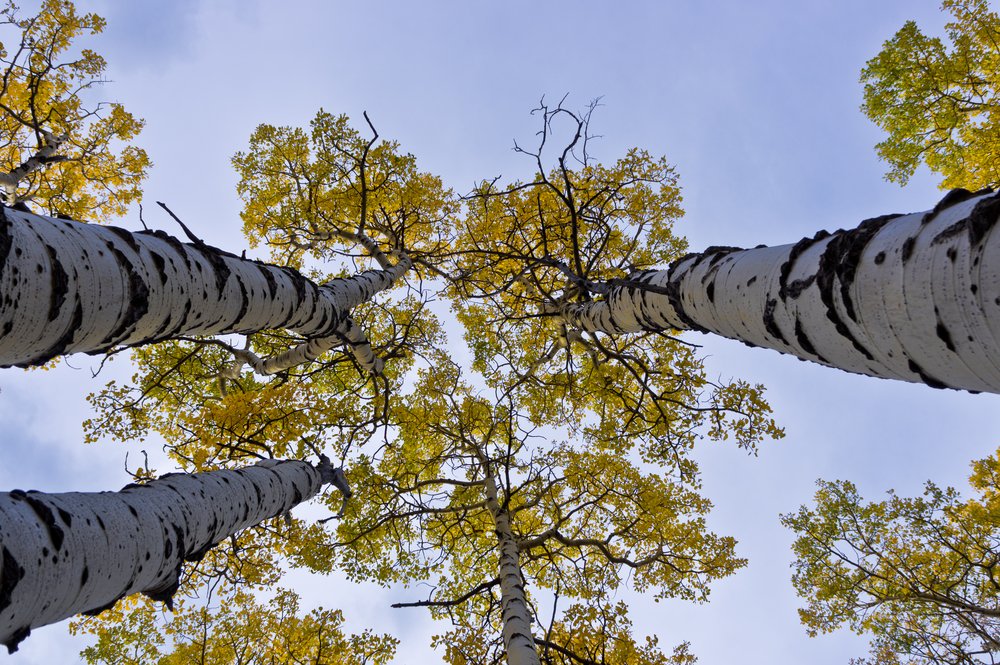
Your quaking aspen needs unique tree services, and not just because it’s the official tree of Utah! These trees can grow to massive heights, and in central Utah you’ll find one that’s estimated to be 80,000 years old, so you know it’s a hardy tree that can seemingly live forever with the right care. Durability and magnificence are part of what made Utah change our official tree from the Colorado blue spruce to the quaking aspen in 2014.

Lake many aspens, the quaking is a deciduous tree that prefers regions that are a little bit cooler. However, sometimes they can be a challenging tree to care for.

Just four decades ago, aspens were rarely planted in residential areas, but thanks to their fast growth and ability to give a landscape a finished look quickly, they’ve become a new favorite. Some aspens are smaller, so they don’t overpower a neighborhood, but they have beautiful bark and gorgeous fall colors.

Aspen Tree Services: Top Needs

Insects love aspens just as much as you do! Aspens can be prone to insect infestations and diseases, and some are sensitive to urban development.

The majority of calls to the Colorado State University Cooperative Extension Plant Diagnostic Clinic have to do with aspen concerns. One variety of urban-planted aspens has been showing signs of short life spans — sometimes fewer than 20 years. Perhaps more calls are coming in around the country because aspen has been used as a succession tree, fast to fill in where a fire, logging or disease outbreak decimated vegetation.

Aspen reproduces quickly, too, because it spreads by both seeds and root sprouts. Sprouting can be annoying to some urban landscapers, since it can pop up unexpectedly in gardens or otherwise flawless lawns.

Help Your Aspen Flourish

Every tree variety has its pros and cons, so don’t let aspens’ sensitivity scare you off. Having a quaking in your yard is a fantastic way to show your Utah pride, and since it’s one of the sturdier varieties, it has a great fighting chance.

Keep in mind that aspens prefer living at a higher elevations and like moist, well-drained soil that’s acidic. When possible, plant them on east or north slopes/sides of the home with soil that has been mulched and given additional organic matter.

Your aspen also will need regular pruning and trimming, and perhaps fertilization, to give it the best foundation for a long and healthy life. Since it is prone to insects and disease, ask your arborists to check on it annually for any signs of distress (not all infestations and diseases are obvious to the naked eye).

Aspens can be a challenge, but the results are well worth it. Call Reliable Tree Care to schedule a check-up or tree services appointment for your quaking aspen.
Fruit Tree Care: Where Are the Fruits?

Tree Not Producing Fruit

When fruit tree care involves figuring out why you’re not getting any fruit, it can be frustrating.

Maybe part of the reason you fell in love with your home was because of those promising fruit trees out back, and you’ve had visions of yard-to-table apple and peach pies. Or perhaps you spent a pretty penny buying mature fruit trees and caring for them, only to be rewarded with nothing edible.

Fruit trees stop bearing fruit for many reasons, and it’s time to get to the root of the problem.

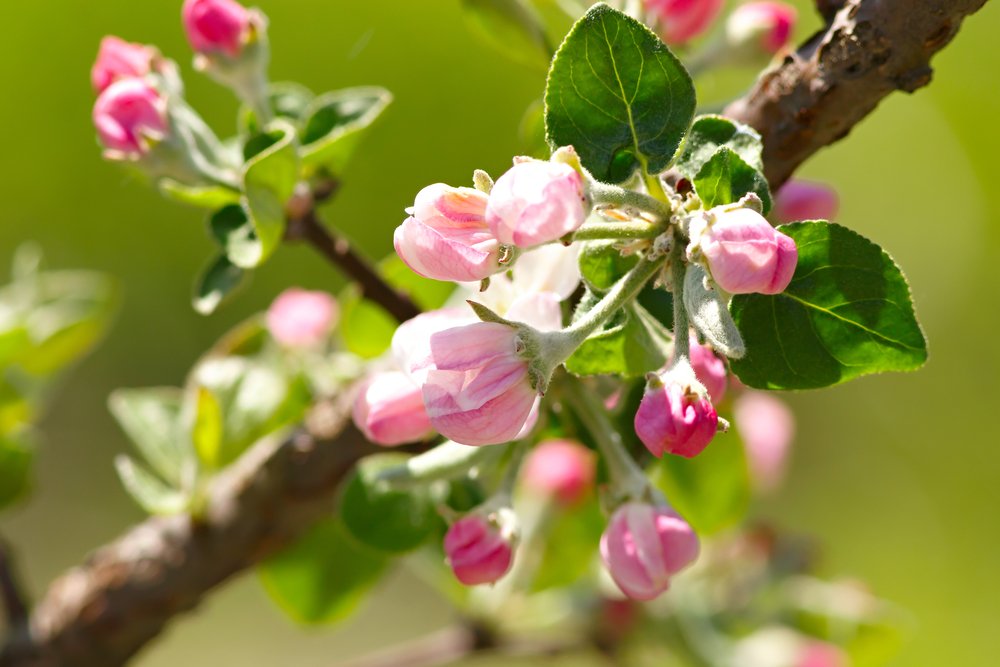
Fruit trees are programmed to bear fruit; it’s their sole purpose. First they make leaves, then flowers, then fruits, and they repeat this cycle indefinitely. Usually absence of fruit is environmental, and sometimes the sheer age of the tree can cause problems.

Fruit trees need between two and five years before they can bloom well enough to produce, so if your tree is newer and hasn’t borne fruit yet, patience is key. The condition of the soil is also paramount, and insects or diseases can stop production as well.

Happy Trees Make Fruit

Test your soil to ensure you’re not missing any vital nutrients. This is common and can be fixed easily with fertilizer and care.

Insects and diseases aren’t always obvious to the naked eye, so having an arborist examine the tree can reveal a hidden problem. However, remember that trees are far from powerless. A healthy tree is capable of fighting off many diseases and insects all while bearing fruit.

Knowing what kind of soil you have is key to understanding your tree’s needs. Sometimes an overzealous homeowner will try to adjust the soil when it’s perfectly healthy for tree growth. Having good soil is common in Utah, and simply backfilling it with more good soil that’s dark brown and loose enough to promote growth is a basic and effective approach to fixing the problem.

Soiling Your Plans

Some soil does need to be amended, including any that is full of gravel or sand. But even with little topsoil, sometimes native plants can grow in these environments. You may or may not need peat moss, fertilizer or compost.

Backfill holes with some rotted manure/compost if you want to give your new fruit trees a little kick. This certainly won’t do any harm. Giving your fruit trees their best chances from the start, which includes understanding your soil and only amending it when necessary, is ideal but not always feasible.

For homeowners with fruit trees that seem to be slowing down production or stopping altogether, this problem is likely fixable. Just don’t do more harm than good trying to figure out what your tree needs! Contact Reliable Tree Care and have an expert take a look at your fruit tree care strategies, and we can come up with a solution together.

Tree Services: The Root of the Problem

Tree Root Services

When you think of tree services like trimming and pruning, you probably imagine an arborist snipping wayward, dead or dangerous branches. However, the real root of the problem might be right under your nose.

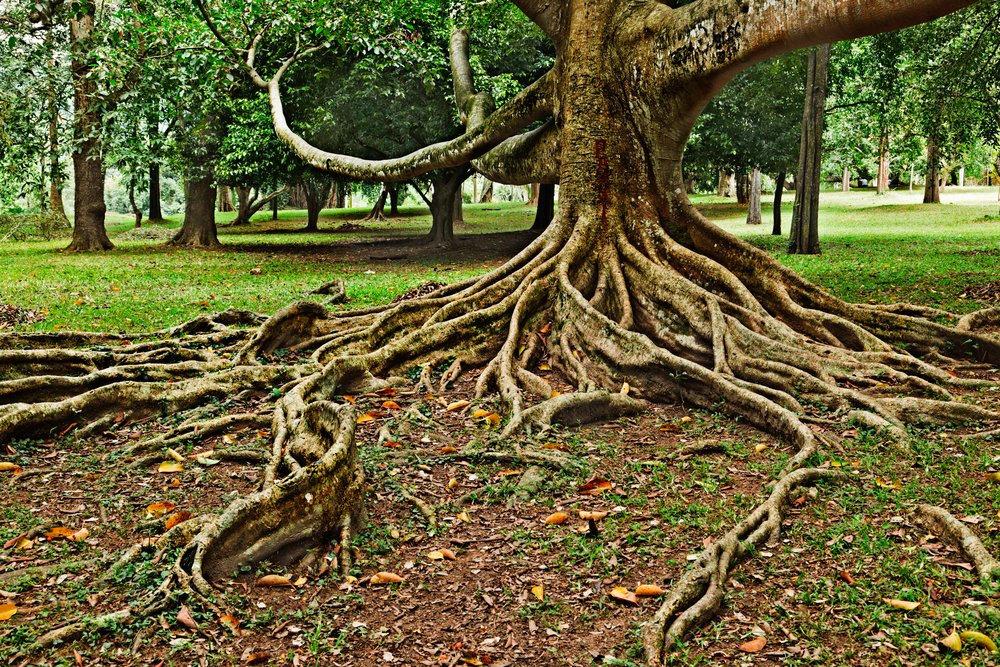
Tree roots can cause major issues and even damage, and can often require trimming, too. Root cutting services should be handled only by a professional and only when absolutely necessary, because it’s possible to permanently damage the tree in the process.

Root problems can happen for a number of reasons, such as if a tree was planted in an area that’s too small for it, if a home was built too close to a tree or if the roots naturally sprung up but you’ve found that it’s become impossible for the kids to play safely around them or for you to mow your lawn. Cutting the roots can improve the aesthetics of your yard, the safety of your home and prevent home, foundation and sidewalk damage.

How the Pros Approach Tree Services

Before making any cuts, the roots will be examined closely and traced back to the trunk. Cutting large roots is most likely to damage the tree, so it’s safer if smaller roots are the troublemakers. Of course you can’t control which roots are more burdensome, but it does give you an idea of the risk of root cutting.

Finding the best place to make the cut is step two, and it’s never a random process.

Many arborists will measure the diameter of the trunk, multiply it by eight, and that figure tells them the closest they can cut the root in comparison to where the tree is. The closer you cut to the tree, the higher the odds of causing permanent damage.

Roots are a tree’s life source, and just like if one of your major arteries was cut, it can be difficult to heal!

Easy Does It

A reputable arborist will mark the best place to cut and never makes guesses. Spray paint or colored chalk is often used, and then the surrounding soil is dug out from the marked spot.
If digging out soil below the root is feasible, it’s for the best. The ultimate goal is to easily pull the root from the ground after it’s been cut. A special root saw is used for larger roots, or pruning shears can be used for smaller ones. Once it’s cut, the root is pulled up and away from the tree until it comes free.

You’ll be left with a trench where the root was, but that can be covered easily with soil or sod, and you can even add grass seed to encourage green coverage.

After a tree’s roots are cut, watch it closely for the next few weeks. Dead branches are a sure sign that the tree has sustained damage, and if it begins to lean, quick action is required to cut it down before it hurts someone or damages property.

Contact Reliable Tree Care for more information on root trimming.